
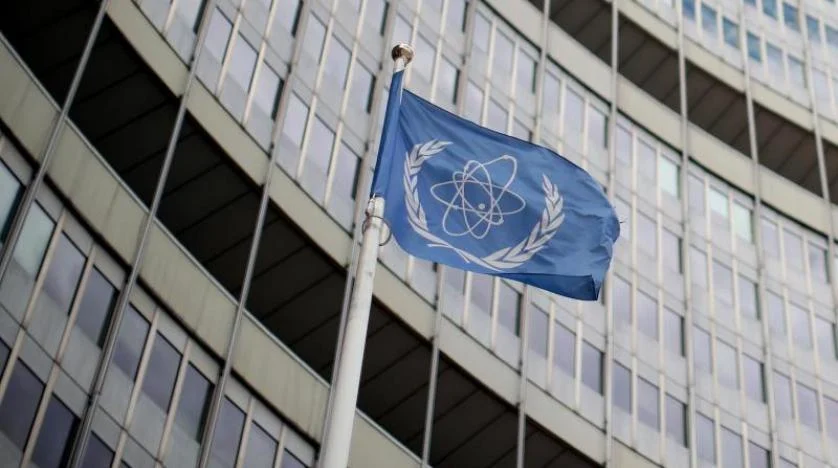
CNBC_ The International Energy Agency (IEA) has agreed to release more than 20 million barrels of diesel into the markets as quickly as possible, alongside the remaining quantities from the largest emergency stock drawdown in its history, aiming to boost supplies and curb surging prices.
US President Donald Trump pressured European Union nations to draw down quantities from their oil reserves, hinting at the possibility of imposing a US ban on diesel exports unless these countries take similar steps, in an effort to lower prices ahead of the midterm elections scheduled for November 3, according to Reuters.
Diesel prices have reached record highs in many global markets as a result of supply disruptions caused by the war in the Middle East and the conflict between Russia and Ukraine, raising growing concerns over inflation and the rising cost of living.
The Governing Board of the International Energy Agency, which includes 32 countries, met to discuss the volume and timing of strategic inventory drawdowns.
In a statement following the meeting, the Agency reaffirmed its commitment to continuing the implementation of the collective action measures approved in March 2026 in response to the Strait of Hormuz crisis.
Member states had pledged in March to withdraw more than 400 million barrels of crude oil and petroleum products to address the sharp rise in prices, and members agreed to accelerate the withdrawal of the remaining quantities in accordance with pre-established plans, including pumping more than 20 million barrels of diesel into the markets as quickly as possible.
The planned amount of diesel to be released falls short of the 50 million barrels level previously discussed among European governments. EU nations had been discussing a French proposal to inject 50 million barrels of diesel, alongside 50 million barrels of crude oil, from member states' strategic reserves.
In reaction to the decision, Europe's benchmark gasoil contract, which includes diesel, rose to $1,430.75 per metric ton by 15:12 GMT, though it remained lower compared to its levels earlier in the session.
Ole Hansen, an analyst at Saxo Bank, stated that the rise in gasoil prices reflects disappointment among traders due to the lack of a clear and immediate commitment to inject additional fuel volumes into the markets.
He added that prices remain high, but the markets are not currently facing an actual supply shortage, which may justify retaining a portion of the inventories to address any future emergencies.
Several member states have pumped quantities exceeding their previous pledges, while other countries are preparing to take similar steps, according to the International Energy Agency. Additionally, approximately 330 million barrels of oil and petroleum products have been drawn down so far under the emergency plan.