- Non-banking financial services are rich in innovative tools with a developmental dimension.. and financial technology removes obstacles and contributes to protecting clients
- Responsible financing for micro-projects serves as the locomotive of economic empowerment for female entrepreneurs
- Investment funds are safe, supervised institutional channels for developing and preserving savings
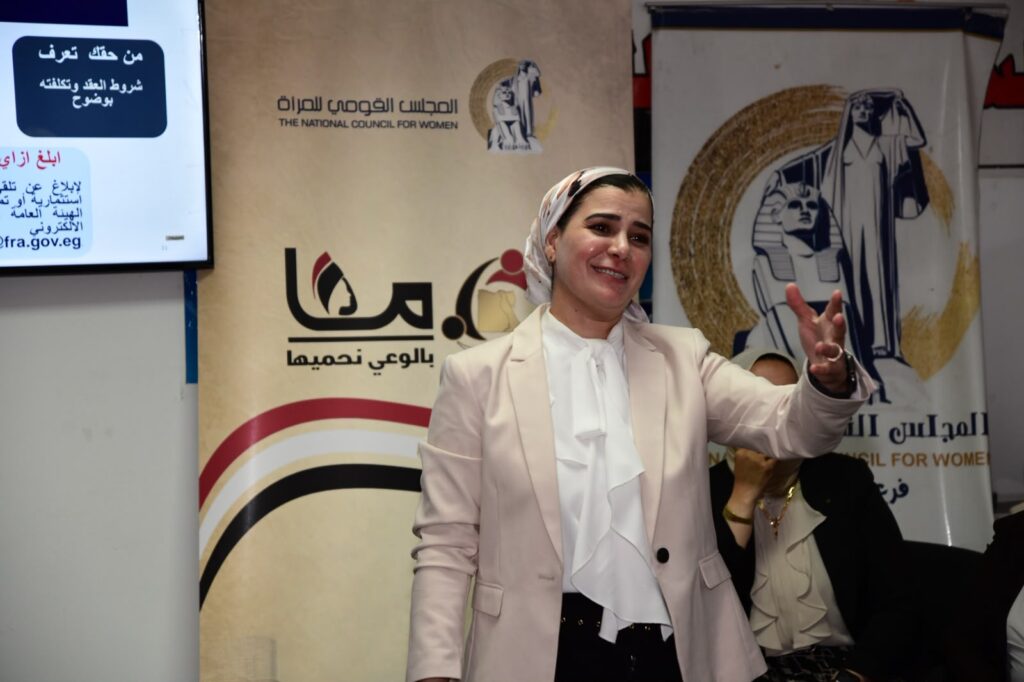
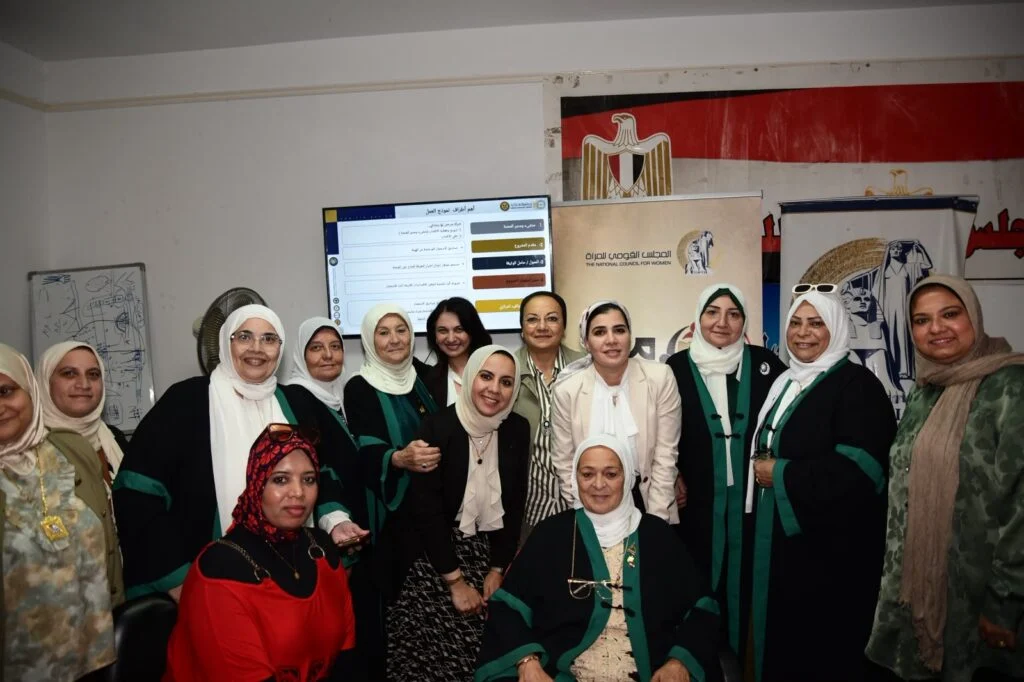
The Financial Regulatory Authority held a technical working session at the headquarters of the National Council for Women in Alexandria, as part of the official program of the "Capacity Building for Enhancing Development" conference held under the auspices of Prime Minister Dr. Mostafa Madbouly, the activities of which were inaugurated yesterday, Thursday, by the Authority's Chairman, Dr. Islam Azzam, and the Governor of Alexandria, Engineer Ayman Attia.
The session was hosted by Dr. Magda El-Shazly, Rapporteur of the National Council for Women, Alexandria Branch, and focused on the mechanisms of integrating women into the official non-banking financial sector, equipping them with operational and legal knowledge to deal with financing and investment tools, thereby ensuring the protection of their savings and the development of their projects.
Ms. Yasmine Hassan, Deputy Head of the Central Administration for Technical Offices at the Authority and Deputy Head of the Equality Promotion Working Group in Non-Banking Financial Activities, opened the session by dissecting the structure of the non-banking financial market, moving from general concepts to practical application, and how to employ available products and services in accordance with women's financial goals.
She also spoke about safe investment channels as an alternative for preserving and developing women's personal savings, growing them, and maximizing benefit from them under full supervision, away from unlicensed entities, explaining the institutional structure of the market, including insurance companies, private insurance funds, and insurance pools covering specific risks.
During her presentation, Yasmine Hassan touched upon financial technology applications that facilitated women's access to non-banking financial services without geographical barriers, such as digital financing, investment, and insurance. She concluded the presentation by detailing the client protection track, explaining the legal procedures for submitting complaints to the Authority, and the binding controls for companies regarding transparency and disclosure to prevent any practices related to fraud or misleading customers.
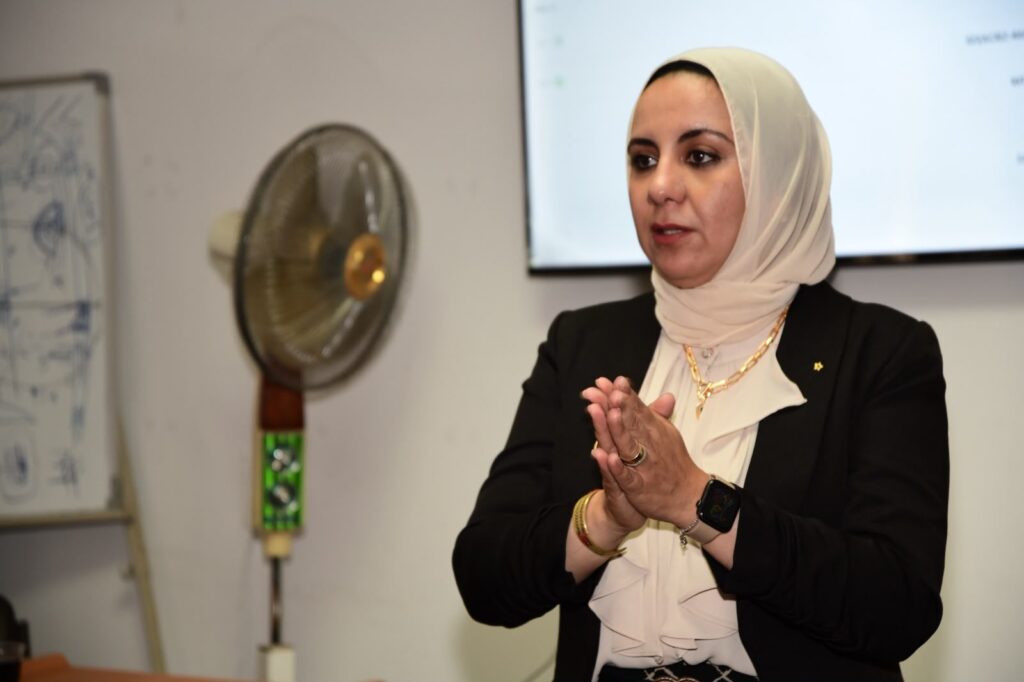
Under the business financing axis, Dr. Amal Salah, Deputy Head of the Central Administration for Medium and Small Enterprise Financing at the Authority and member of the Equality Promotion Working Group in Non-Banking Financial Activities, presented an analysis of the microfinance sector as a key locomotive for the economic empowerment of breadwinning women and female entrepreneurs. She outlined the financial and regulatory criteria based on which projects are classified, explaining that this sector contributes to transforming informal activities into the formal economy.
She shed light on the principles of responsible financing, explaining clients' rights to obtain transparent repayment schedules, know the actual cost of financing, and be warned against the risks of over-indebtedness through borrowing from multiple entities.
Amal Salah also explained the regulatory role of the Authority, which begins with granting licenses to companies and NGOs providing financing, and extends to include field inspections and periodic desk supervision to ensure that these entities adhere to fair pricing of services and do not act coercively in collecting dues.
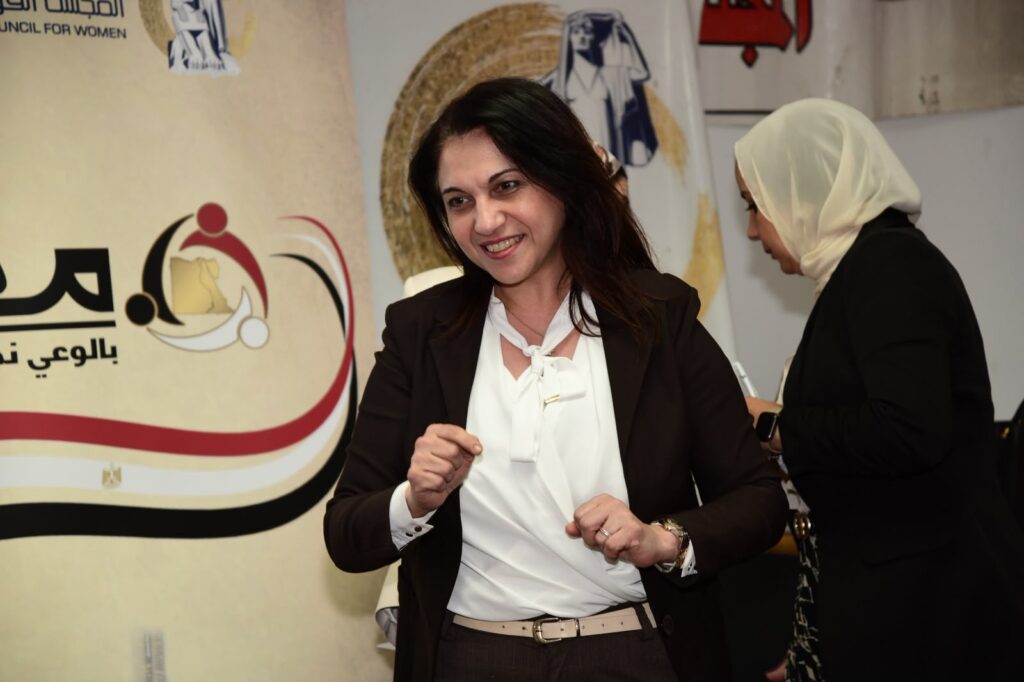
Then, Ms. Sally George, Assistant to the Chairman of the Financial Regulatory Authority for Investment Funds Affairs and member of the Equality Promotion Working Group in Non-Banking Financial Activities, addressed the operation of investment funds, ensuring the contractual aspects were made accessible, noting that the prospectus is the binding legal document outlining the fund's investment policy, fee structure, and accepted risk levels.
She explained how investment funds allow women to enter the capital market with relatively small amounts through the purchase of investment certificates, thereby achieving the principle of risk diversification that is difficult for an individual investor to achieve alone.
Sally George also reviewed the available fund categories, starting from money market and fixed-income funds, up to equity funds, explaining the fund's cash flows and how unitholders' monies are directed and managed by a licensed investment manager, emphasizing the Authority's commitment to daily monitoring of fund asset valuation and the approval of financial statements to ensure market discipline and provide an investment environment that guarantees the financial stability of society in general, and women in particular.
This interactive session reflected the strategic orientation of the Financial Regulatory Authority to attach utmost importance to financial awareness and literacy as fundamental pillars for the economic empowerment of women, and its commitment to establishing regulatory controls that ensure market stability and protect clients' rights on the one hand, and expanding capacity-building programs that qualify women for the safe and effective use of non-banking financial tools on the other hand, thereby ensuring their sustainable integration into the official financial system and supporting their transformation into an active partner in driving the growth wheel of the national economy.