
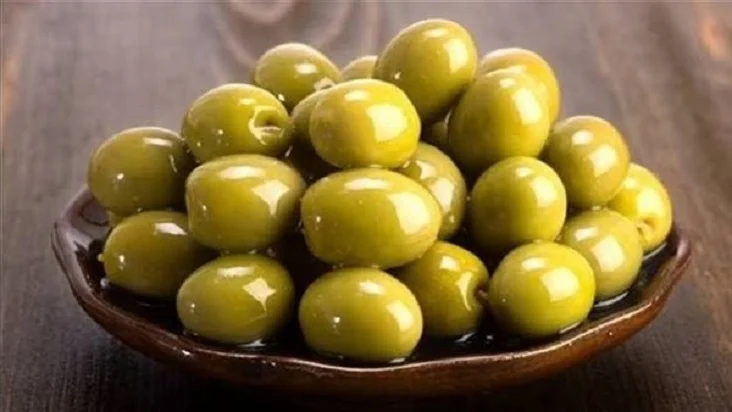
Mohamed Ahmed _ Egypt's exports of prepared or preserved olives, excluding frozen ones and those preserved without vinegar or acetic acid, recorded approximately $182 million during 2025, with total quantities reaching 124 thousand tons, positioning Egypt fifth globally among the largest exporting countries of the product, with an estimated market share of about 6% of total global exports.
According to data from the Food Export Council, Egyptian olive exports have achieved positive performance in recent years, as the compound annual growth rate for export value reached approximately 15% during the period from 2020 to 2025, compared to 5% for export volume over the same period, reflecting the growing presence of the Egyptian product in international markets.
The USA is the Largest Importing Market Valued at $36 Million, Accounting for 20% of Total Exports
The United States topped the list of importing markets for Egypt's exports of prepared or preserved olives during 2025, with a value of $36 million, representing approximately 20% of Egypt's total exports of the product.
Brazil Ranks Second with $33 Million and an 18% Share
Brazil came in second place with export values amounting to $33 million, capturing an 18% share, followed by Iraq and Spain with $21 million each, representing 11% for each market, while Libya ranked fifth with $13 million, accounting for approximately 7% of total exports.
The top five markets collectively accounted for exports valued at nearly $123 million, equivalent to about 68% of Egypt's total exports of prepared or preserved olives during 2025.
Egypt's ranking as the fifth largest global exporter of prepared or preserved olives, alongside the growth in export value and volume, reflects the increasing competitiveness of the Egyptian product in foreign markets.
Furthermore, the diversification of importing markets for Egyptian exports—spanning the United States, Brazil, and European and Arab markets—provides opportunities to enhance penetration into existing markets and open new export destinations, thereby supporting the growth of Egyptian food industry exports in the coming years.