
The government is heading toward the eighth and final review of the $8 billion IMF program, backed by progress in state asset divestment alongside boosting tax proceeds as a result of reforms and facilitation measures introduced by the Ministry of Finance in recent years. However, other hurdles related to energy subsidy restructuring and deferred taxes on free zones continue to hinder its path, according to three government officials who spoke to Enterprise. Sources expect the IMF mission to arrive in the second half of November, as both sides seek to settle the review before the program expires in mid-December. These developments come amid a convergence of views between Egyptian officials and IMF representatives on outstanding issues, on the sidelines of the IMF Annual Meetings in Bangkok.
Passing this review would pave the way for disbursing the final tranche of funding, which includes approximately $1.5 billion under the Extended Fund Facility (EFF) and around $800 million from the climate-focused Resilience and Sustainability Facility (RSF), according to statements by IMF Mission Chief for Egypt, Umang Rawat (Amin Mati), to Enterprise last August. Moreover, passing this review will grant Egypt a certificate of confidence from the Fund, which will likely shape investors' outlook on the Egyptian economy in the years following the end of the program.
Supporting Factors
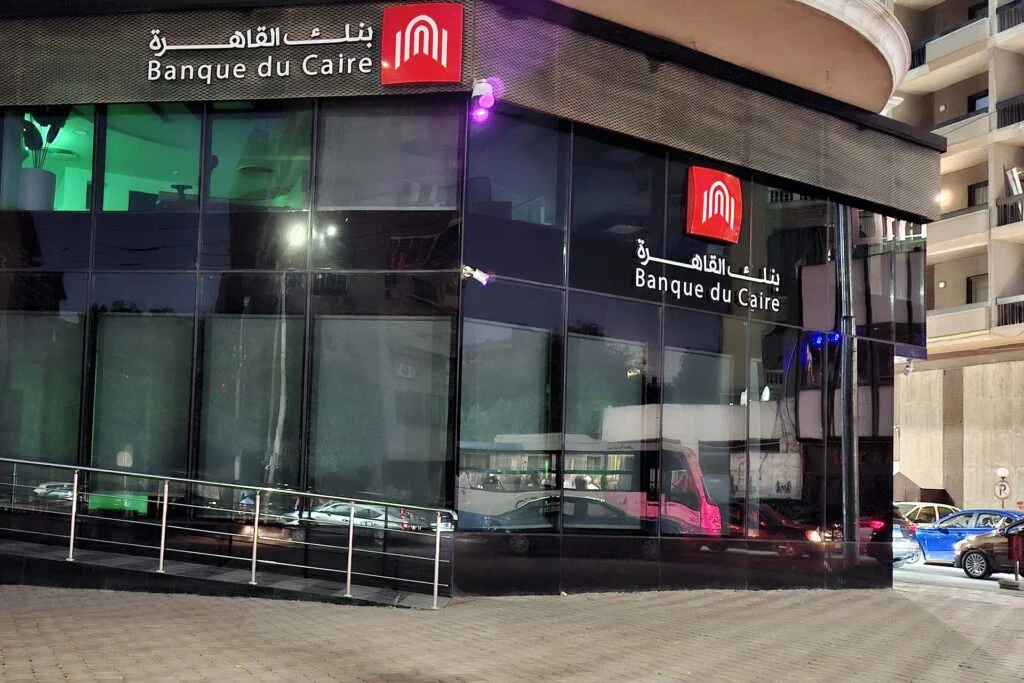
Officials suggest that the state asset divestment program will serve as the government's strongest argument in this review, as the government presses ahead with offering stakes in Banque du Caire and Misr Life Insurance prior to the program's conclusion. The IMF stipulates raising $1.5 billion from divestment proceeds before the end of the program, to be directed entirely toward reducing public debt, according to IMF data. By last July, the government had successfully raised around $526.3 million, according to the latest IMF staff report (PDF), roughly $420 million of which came from the sale of the Gabal El-Zeit wind farm, while the remaining amount (around $106 million) was generated through the Ministry of Finance selling stakes in certain EGX-listed companies.
These figures mean the government still needs to collect approximately $1 billion. In the meantime, an official confirmed the government's commitment to achieving this target before the review is finalized. The initial public offering (IPO) of Banque du Caire is expected to cover the lion's share of this sum; Banque Misr may move to sell around 45% of Banque du Caire, a government official told Enterprise this week, instead of the 30% stake announced in the intention to float (ITF) prospectus. Despite these prospects, the 30% stake in Banque du Caire remains the currently approved baseline. Should there be an intention to increase the stake, such a decision would be subject to the approval of Banque Misr, the owner of Banque du Caire, as well as the approval of the Central Bank of Egypt (CBE). Based on our calculations derived from fair value estimates in September, the 45% stake is valued at around EGP 36 billion (approx. $690 million), compared to about EGP 24 billion in the event of offering 30%. The offering of Misr Life Insurance was also planned as the next step in the government's IPO program, with the government aiming to collect proceeds from selling a 20% stake in the company by the end of last August. This transaction remains in progress, with expected proceeds reaching roughly EGP 14 billion (approx. $261 million). Completing both transactions together would secure nearly the entire $1 billion required to meet the target.
One official noted that these offerings fall under a broader vision. The plan relies on initial public offerings to deepen the securities market and direct a portion of the proceeds to pay down public debt. It is also tied to updating the State Ownership Policy Document 2026-2030, which the IMF describes as a "major update"; it goes beyond merely listing sectors from which the state intends to exit, establishing an integrated framework for managing its investment portfolio, including stricter rules for governance and fair competition with the private sector.
Officials also pointed out that tax revenues will provide additional support to the government's position, especially given that the Ministry of Finance aims to collect record tax revenues of EGP 3.5 trillion during the current fiscal year, representing an estimated year-on-year increase of roughly 30% compared to EGP 2.7 trillion in the previous fiscal year. Other tax priorities under the program include reducing Value Added Tax (VAT) exemptions, enhancing tax compliance through automation, and developing risk management mechanisms.
Existing Challenges
However, a tax measure remains pending. The IMF is calling for a flat 4% tax on sales made by free zone companies to the domestic market. This measure represents one of the program's structural benchmarks (in other words, reform milestones against which the program is evaluated) that was not passed by Parliament last year and was scheduled to be published in the Official Gazette by the end of November, according to the IMF staff report. While the government informed the IMF of its intention to pass the legislative amendment during November, an official at the Egyptian Tax Authority told Enterprise that debate continues amid concerns over the tax's negative impact on investments and price increases, stressing that he does not expect any amendment at the present time. The official explained that free zone factories supply goods to the local market at lower prices than imported equivalents despite paying customs duties, besides eliminating maritime freight costs and delivery delays, in addition to contributing to boosting exports. Thus, this stance leaves one of the structural benchmarks hanging in the balance weeks before the review, even though the tax itself would yield only about 0.1% of GDP.
The energy dossier stands out among the key challenges facing public finances in the eighth review, according to an official. Amid current conditions affecting energy markets, oil prices significantly exceed the estimates on which the general budget was built, while the need for massive funding on the part of the Egyptian General Petroleum Corporation (EGPC)—described by the IMF as a "primary source of fiscal risks"—continues. Despite oil prices reaching unprecedented levels for months, the government decided to freeze fuel prices until the end of December during the first quarterly review since the return of the Automatic Fuel Pricing Committee, preferring instead to focus on increasing production rates and rationalizing consumption, according to the official.
The official explained that the decision to raise prices is fraught with risks; any increase in energy prices will directly impact transport and production costs, driving inflation rates higher. On the flip side, delaying reform plans will make it difficult to achieve the fiscal targets agreed upon with the IMF. Another official warns that accelerating inflation could force the Central Bank of Egypt (CBE) to raise interest rates again, which would increase funding costs and the burden of public debt service. In this context, an official confirmed that balancing economic and social repercussions will dictate the path of subsidy restructuring aimed at easing future pressures on the state budget.
The same approach applies to the electricity sector; officials indicate that residential electricity prices will likely remain unchanged until the end of the current fiscal year in June, relying on savings achieved by the state from renewable energy projects, following the hike seen in early August averaging 12%. According to officials, the Ministry of Electricity succeeded in saving EGP 40 billion during the past fiscal year thanks to adding 2 GW of renewable energy capacity to the national grid.
Post-Program Era
The review will not be limited to current numbers alone; it will also extend to ensuring the continuity of stable cash flows for the country's economy, as well as the IMF's evaluation of the government's post-program plan, according to officials. In this regard, one noted that "sustaining growth rates, steadily reducing public debt from state offering proceeds, and creating stable fiscal space to support health, education, and social welfare plans" are among the key target indicators as the program approaches its end. Meanwhile, another official pointed out that shifting to a cash subsidy system, scheduled to take effect next January, will top the topics on the review table.
What about arrangements following the December review? The government does not appear enthusiastic about embarking on a new financing program with the IMF at the current stage, according to an official. The official explained that Egypt's commitment to servicing its loan installments grants it the right to request additional funding in the future, but this option is not currently under consideration. Instead, the government intends to leverage technical assistance provided by the IMF to implement its own post-program plan.
What lies ahead? The IMF mission is expected to arrive in the second half of next November. Under the program's arrangements, the free zone tax amendment is supposed to be published in the Official Gazette by the end of November, while the program officially concludes on December 15.