
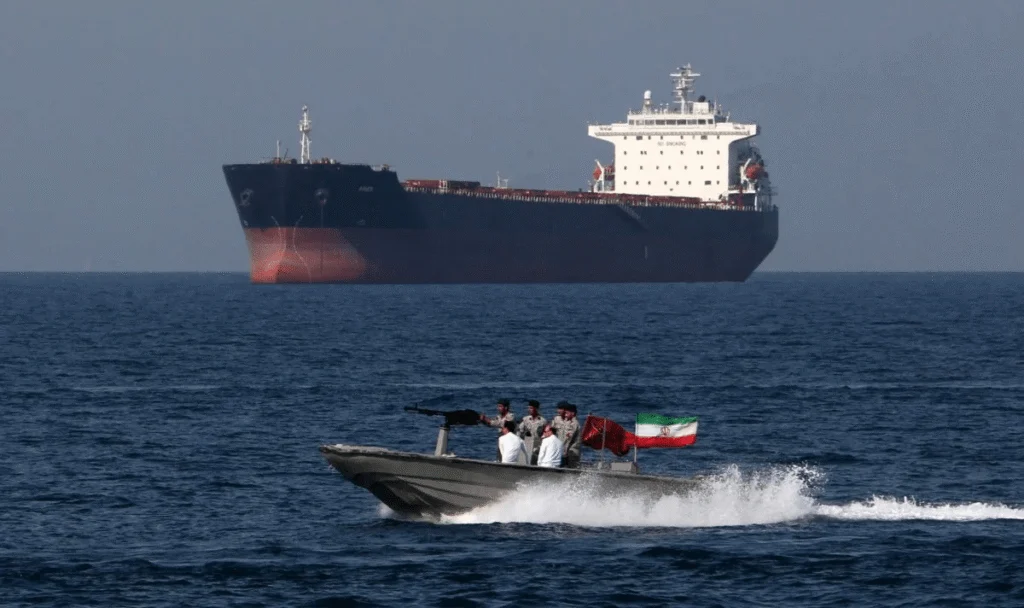
CNBC_ The escalation of the conflict in the Middle East has disrupted the global marine fuel market, forcing shipowners to reassess where, when, and how they refuel, amid increasing vessel reroutings and rising fuel prices.
Shipping companies are increasingly turning away from traditional bunkering ports due to security risks surrounding the Strait of Hormuz and the Red Sea, which are driving vessels to take longer routes, including circumnavigating Africa.
This shift has redirected demand toward alternative vessel refueling locations in the Atlantic Basin and other regions worldwide.
Maritime transport companies also face greater uncertainty regarding fuel availability, delivery schedules, and quality, making advance planning more critical than ever, according to the Global Trade Mag platform.
Fredrik Guttormsen, Head of Asia-Pacific at Stolt-Nielsen Ltd., stated that bunkering is no longer a routine, last-minute decision.
Speaking on the sidelines of the SIBCON shipping conference in Singapore, he added that the company, which operates 167 chemical tankers globally, has begun arranging fuel supplies early and tracking availability levels and delivery schedules at major ports.
Guttormsen explained that recent attacks across the Middle East, including incidents targeting ships transiting the Strait of Hormuz, have heightened pressure on regional oil flows and contributed to driving up oil and marine fuel prices.
Shipping risks in the Middle East are intensifying as oil tankers alter their routes due to Houthi threats.
Singapore, the world's largest ship bunkering hub, continues to record demand growth as carriers adjust their refueling strategies.
Conversely, Fujairah, one of the largest bunkering hubs on the eastern coast of the United Arab Emirates near the Strait of Hormuz, is seeing a number of vessels divert away from it due to growing security concerns.
Other locations are benefiting from increased demand for marine bunkering services, including Port Louis in Mauritius, South Africa, West Africa, Brazil, Sri Lanka, and Pakistan, according to SIBCON conference participants.
This shift imposes a more complex environment for fuel procurement, as refueling at lesser-known ports may expose shipowners to dealing with a larger number of suppliers and varying levels of reliability, alongside significant price discrepancies across different locations.
Fuel costs and availability depend on the source of supply and access to suitable blendstocks, as well as the availability of inspection, support services, and compliance procedures necessary to maintain fuel quality.
Kenneth Dam, Executive Director and Global Head of Bunkering at TFG Marine, emphasized that shipping companies need to adopt a more disciplined approach to fuel procurement as market conditions become increasingly difficult to predict.
Vessels are resorting to more frequent refueling stops and purchasing smaller quantities at each port, a strategy that helps operators limit their exposure to price volatility and avoid locking up large quantities of fuel at a single location.
Recurrent disruptions alter traditional shipping routes and shift demand among different bunkering ports, creating additional challenges for fuel suppliers and vessel operators.
Peter Grønteit, Head of Bunkering at Hafnia Ltd. and Co-CEO of Seascale Energy, said suppliers are working to ensure fuel remains available at ports receiving vessels diverted from their original routes.
The ongoing impact of the conflict on maritime traffic forces shipowners to balance fuel costs, supply reliability, quality assurance, and the risks associated with route changes.
Evolving conditions are making bunkering operations a more strategic component of voyage planning, with companies focusing more heavily on securing supplies in advance and maintaining flexibility amid constant changes in shipping lanes and fuel demand levels.