
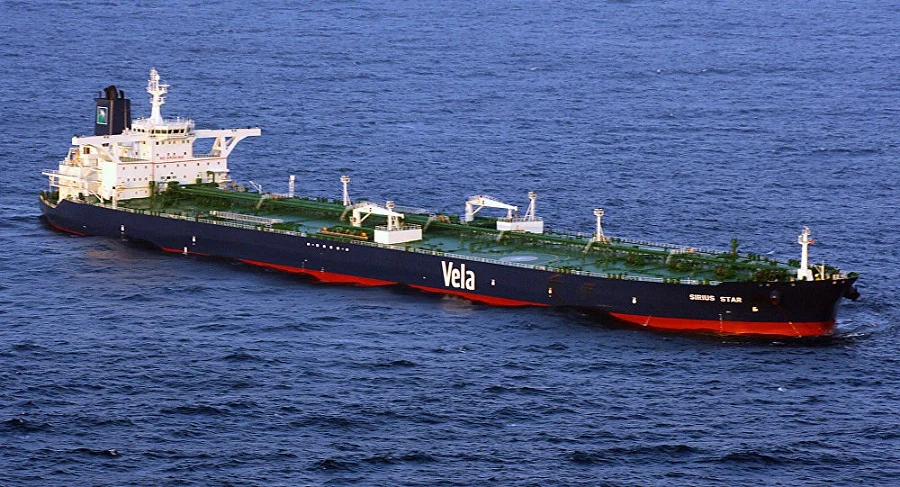
Samar El-Sayed_Data released today by the International Energy Agency reported that oil tanker prices surged to historic record levels during last September, adding that by mid-October, the cost of shipping crude oil from the Arabian Gulf to Asia aboard a very large crude carrier exceeded $37 per barrel, representing more than 5 times its level before the outbreak of the war in the Middle East.
The agency's data indicated that the price of crude oil is not the sole factor determining fuel costs for consumers worldwide, as other important factors enter into the total cost, including the transport of crude oil and its refined products—often over distances spanning thousands of kilometers via specialized maritime tankers—from production areas and refining centers to consumption locations.
The agency added that transport wages typically constitute a minor percentage of the total oil price; however, rising shipping costs lead to an accumulation of financial burdens across the entire supply chain.
The agency pointed out that oil price pressures are currently escalating across various global markets, which have witnessed repeated shocks due to the Middle East war since last February. At a time when focus is centered on the availability of oil coming from the Gulf and the reopening of trade routes through the Strait of Hormuz, shipping costs have surged in recent weeks, making the transport of crude oil and petroleum products around the world extremely costly.
The data explained that for some refineries, particularly in Asia, high shipping prices impose additional upward pressures on energy costs in economies heavily reliant on imports.
The agency stated that since the outbreak of the conflict in the Middle East, vessel congestion around the Strait of Hormuz, the rerouting of trade paths, and the increasing reliance on ship-to-ship transfer operations have extended delivery times and reduced the efficiency of transport fleets, driving shipping rates to sharp highs.
The agency noted that under normal circumstances, tankers sail between producers and consumers via established trade routes, and the faster these voyages can be completed, the greater the volume of oil the global fleet can transport.
The agency believes that the rerouting of oil shipments or their transfer between vessels consumes tanker time for longer periods and reduces the number of vessels available for charter, causing a further rise in shipping prices.