Dr. Islam Azzam, Chairman of the Financial Regulatory Authority (FRA):
- Training is a pillar to achieve the objectives of the protocol.. enhancing the quality of reports and the accuracy of indicators on non-banking financial activities
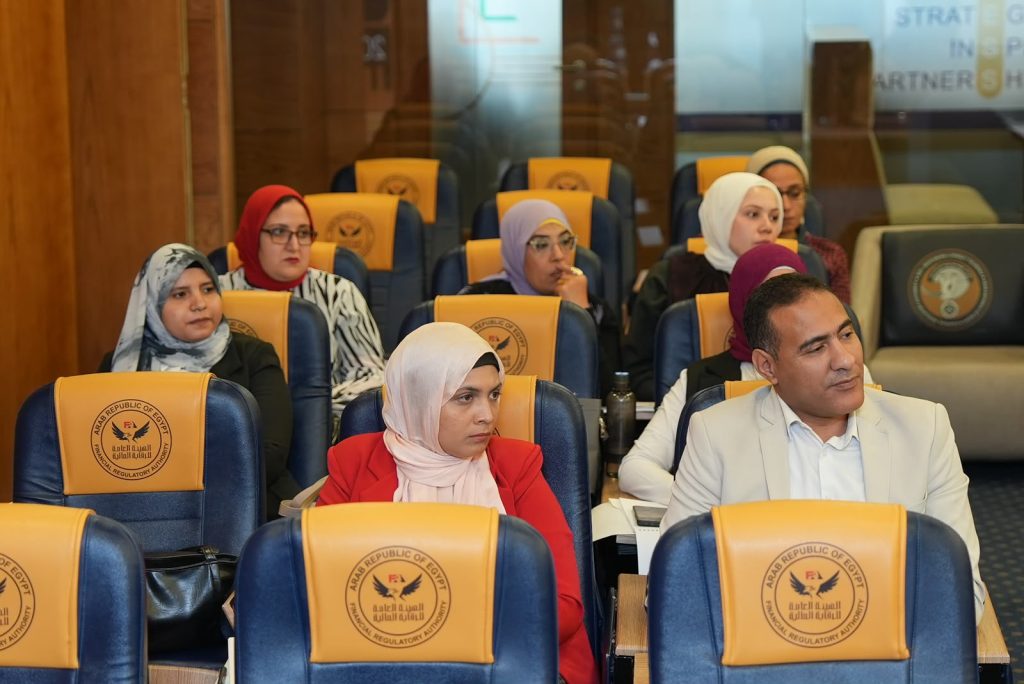
The Financial Regulatory Authority (FRA), headed by Dr. Islam Azzam, through the Institute of Financial Services (IFS), the training arm of the Authority, organized an integrated training program for the employees of the Central Agency for Public Mobilization and Statistics (CAPMAS) on analyzing the financial data of non-banking financial activities and extracting statistical indicators. This comes as part of the executive steps of the cooperation protocol concluded between both sides, aiming to integrate data and statistical indicators and develop mechanisms to benefit from them in preparing reports and supporting economic policies.
Dr. Islam Azzam emphasized that the program is a pillar for achieving the objectives of the cooperation protocol, foremost among which are organizing the exchange and availability of data and statistical indicators, enhancing the quality of data included in national reports, improving the efficiency of statistical work, reducing the duplication of data requests from companies, and easing administrative burdens on them, in addition to supporting the preparation of reports and statistics necessary to measure the performance of economic sectors and foresee growth trends.
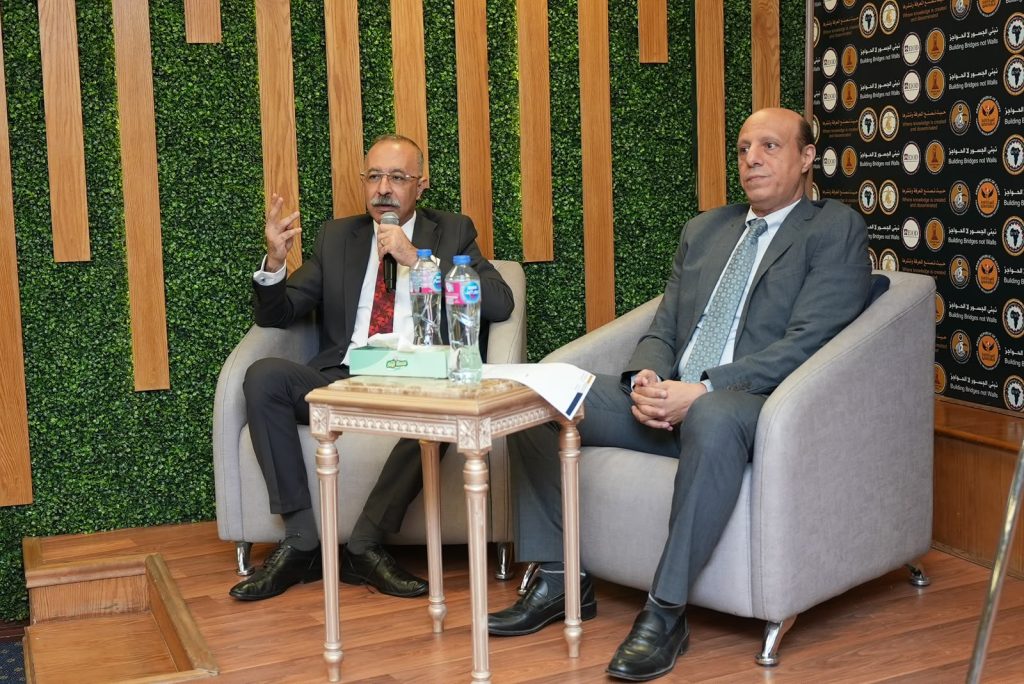
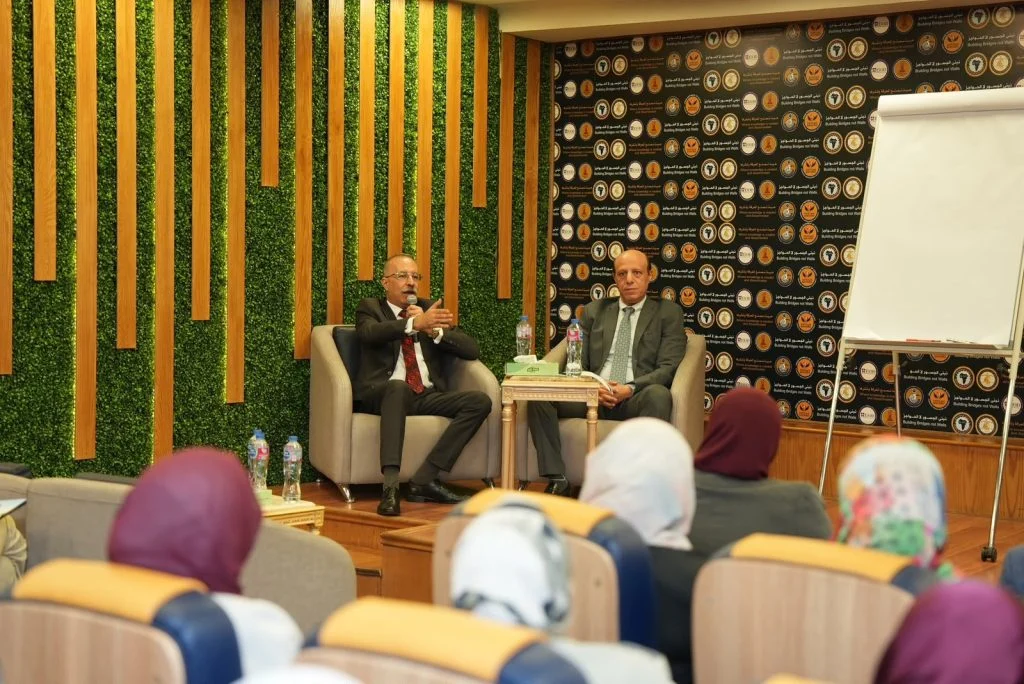
The program was inaugurated by Mr. Mohamed El-Sayyad and Dr. Tarek Seif, Vice Chairmen of the Financial Regulatory Authority (FRA), within the framework of institutional cooperation between the Authority and the Agency, the exchange of technical expertise, and building the capacities necessary to analyze financial data and extract statistical indicators that reflect the developments of the sectors subject to the Authority's supervision.
During the opening of the program, Mr. Mohamed El-Sayyad welcomed the trainees from the Central Agency for Public Mobilization and Statistics (CAPMAS), stressing the importance of accurate data and statistics in analyzing the performance of non-banking financial activities, particularly the capital market and stock exchanges, and their role in monitoring market performance, measuring activity indicators, and supporting decision-making on objective grounds. He also shed light on the inception of the Financial Regulatory Authority (FRA), the evolution of its role, and its regulatory mandates that balance market stability and protect the rights of dealers.
For his part, Dr. Tarek Seif reviewed the prominent legislation and regulatory frameworks upon which the Authority relies in exercising its competencies, alongside international accounting standards and their importance in improving the quality of disclosure, transparency, and comparability of financial data. He also addressed the pivotal role played by the insurance sector in Egypt, and the importance of data and statistical indicators in analyzing the sector's performance and monitoring the development of its activities, thereby supporting the efficiency of supervision, planning, and the development of related policies.
The program spanned 5 days, addressing the competencies of the Financial Regulatory Authority (FRA) and the entities subject to its supervision and regulation, and the role of non-banking financial activities in supporting the economy, while introducing the most prominent non-banking financing activities, including leasing, factoring, consumer finance, mortgage finance, and medium, small, and micro enterprise finance.
A training day was also dedicated to introducing the capital market and the entities operating therein, including brokerage firms, custodians, and asset management companies, alongside the Egyptian Exchange (EGX) and clearing and settlement operations. Participants were trained on reading activity, liquidity, profitability, solvency, and operational efficiency indicators, along with practical applications for analyzing brokerage firm data.
The training covered the insurance sector for a full day, including the types of companies operating within it, reinsurance, brokerage, and insurance products, with a focus on analyzing data related to premiums, claims, technical reserves, provisions, investments, and the insurance activity surplus, alongside practical applications for analyzing insurance company data and extracting relevant indicators.
The program also included studying the financial statements of insurance and brokerage companies, identifying the components of the statements of financial position, income, cash flows, and notes to the financial statements, in addition to analyzing revenues, commissions, financial assets, liabilities, and customer balances through practical applications on published financial statements.
The program concluded with a specialized module in financial and statistical analysis, addressing methods of horizontal and vertical analysis of financial statements, calculating liquidity, profitability, activity, and financial structure ratios, extracting growth rates, sector averages, and performance indicators, as well as verifying data quality, consistency, and comparability, handling errors, and preparing statistical tables, sectoral indicators, periodic reports, and databases.
The implementation of the program reflects the keenness of the Financial Regulatory Authority (FRA) and the Central Agency for Public Mobilization and Statistics (CAPMAS) to activate the provisions of the cooperation protocol, enhance integration between databases, and develop the technical capacities of employees, supporting the production of reliable and updated statistical indicators, and contributing to raising the efficiency of analyzing non-banking financial activities, while adhering to the highest standards of accuracy, confidentiality, and data protection to serve the requirements of economic planning and decision-making.