
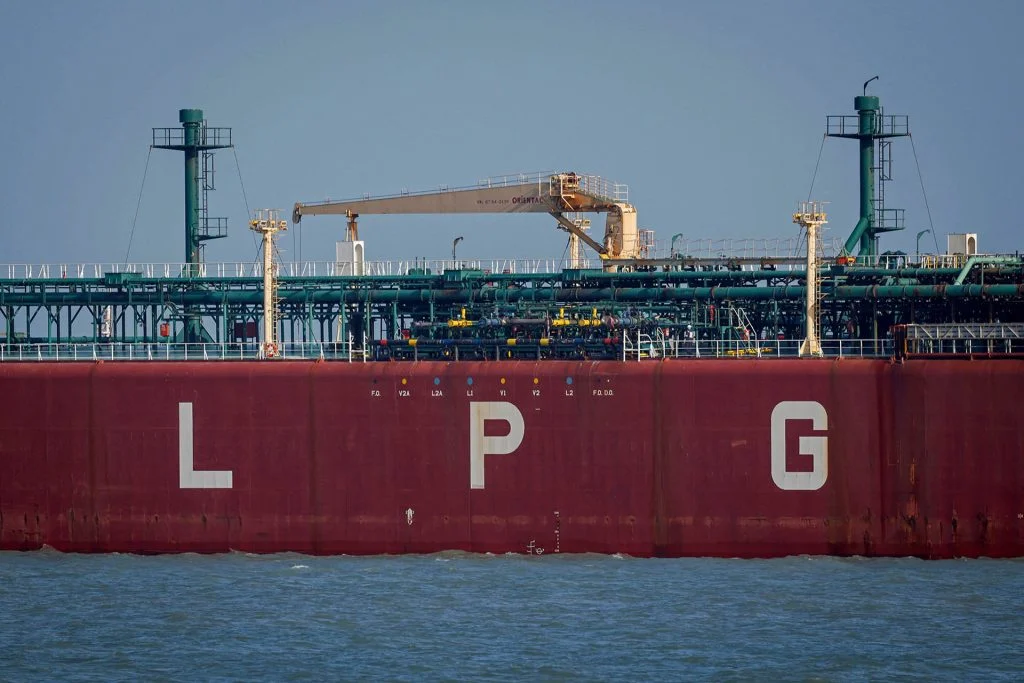
Three LNG carriers diverted their routes after initially heading towards Egyptian ports in recent days; the tanker Al Khasar turned west after arriving in Port Said, while the tanker Amaryllis Knutsen turned around near the Egyptian coast, with both currently heading to Europe where buyers are paying higher prices, according to vessel-tracking data compiled by Bloomberg in collaboration with Kpler. Meanwhile, the third tanker, Greenergy Wind, turned south in the mid-Atlantic, indicating it is heading toward the Cape of Good Hope and onwards to Asia.
Cargoes went to the highest bidder: A single cargo currently costs around USD 100 million, raising the allocations for November imports to around USD 1 billion. The government requested about 10 cargoes from suppliers this month, down from 12 cargoes in October, and deferred 5 out of 15 contracted cargoes to 2027. Supply agreements signed before the war helped the country get through the summer, but that cushion was expected to run out near the end of the year, as previously told to us by Jean-Baptiste Lacouture from Kpler.
Fuel oil plugs the deficit: Peter Stevenson, Eastern Mediterranean editor at MEES, told Enterprise Morning: "Cairo deferred the cargoes because fuel oil is currently much cheaper than LNG." He added that Egypt is still capable of securing cargoes when needed, but only by matching European and Asian bids and paying a premium for short-notice demand, adding: "The main question is whether Cairo has the necessary dollars." Stevenson explained that good relations with suppliers are helpful, but will not guarantee cheaper gas for Egypt if the market suffers from tight supply, noting that lower fuel oil prices give Cairo time to wait, though this could change quickly if demand rises.
Context: Domestic industry is bearing the brunt of this situation; the government reduced gas supplies to fertilizer and methanol plants by 20-40%, while gas supplies to Ezz Steel declined by 30%. Seven fertilizer producing companies are paying USD 175 million in advance under a 45-day agreement that increases their gas price by 50% to USD 12.75 per MMBtu, whereas the state pays about USD 28 for the LNG it imports.
📊 By the numbers: Domestic gas demand rose by 11% YoY to nearly 35 billion cubic meters during the period from January to July, driven by record gas-fired power generation, according to the Global Gas Security Report (PDF) issued by the International Energy Agency (IEA). July alone recorded a record high of 6.4 billion cubic meters, half of which was imported, noting that 70% of imports arrived as LNG and 30% via pipelines from Israel, while net imports exceeded domestic production for the first time. LNG imports surged by 70% (or by 6.5 billion cubic meters) from January to October. The IEA expects full-year demand to rise by about 6%, making Egypt the largest gas consumer in Africa, ahead of Algeria, amid a continued decline in domestic production.
In other energy sector news
Egypt receives Russian crude oil for the first time since June: The Ministry of Petroleum contracted for 9 million barrels, receiving 3 million barrels during September and October, with the remainder due before the end of the year, according to Asharq Business citing an unnamed government official. The ministry also agreed to import 200,000 tons of Russian diesel valued at approximately USD 110 million, which was expected to arrive in October, with its arrival date yet to be determined.
Imports bridge the refining gap: Domestic refineries processed 28 million tons of crude oil in FY2025-2026 (around 17 million barrels per month, according to our calculations), operating at an utilization rate exceeding 80% of capacity. Our crude oil production exceeded 540,000 barrels per day (around 16 million barrels per month) by the end of June. The government buys between 4 and 5 million barrels monthly from abroad to ensure continuous supply to refineries, according to Asharq Business, with Libya supplying around 5 million barrels thereof during September and October. Petroleum product imports reached USD 24.9 billion in FY2025-2026, a 27.6% increase, while the petroleum trade balance deficit hit USD 18.3 billion. We previously learned that the ministry intends to import about 15 million barrels of crude oil in the fourth quarter of 2026.